Understanding the Role of a Commercial General Contractor in Ensuring High-Quality Construction
A commercial general contractor is indispensable in the construction field. They ensure projects meet deadlines and stay within financial limits. Their role involves managing intricate timelines and coordinating various parties. This integration is necessary for sustaining high safety and quality levels. Understanding their responsibilities shows their impact on project results. How do they specifically strategize to navigate challenges and deliver successful results?
The Importance of a Commercial General Contractor
Although some may misjudge their importance, a commercial general contractor is essential to the success of building projects. Acting as the primary point of coordination, these professionals ensure the smooth integration of all construction elements. Their expertise encompasses both project management and strong communication among all parties, including clients, subcontractors, and suppliers. By monitoring resource allocation, budgets, and schedules, they mitigate risks and streamline operations.
Additionally, commercial general contractors manage complicated legal frameworks, making certain they comply with safety standards and local codes. Their experience in resolving conflicts and solving problems is crucial, particularly when unexpected challenges arise during construction. Ultimately, a skilled commercial general contractor promotes teamwork, improves efficiency, and boosts the project's overall quality. Their key position sets the stage for positive results, making them essential for every construction undertaking, regardless of scope or difficulty.
Key Responsibilities of a Commercial General Contractor
While managing a building endeavor, a commercial general contractor assumes a multitude of key responsibilities that are critical for a positive outcome. First and foremost, they handle the construction calendar, get going making certain schedules are followed and that the project progresses as planned. They also control the budget, managing expenses and ensuring resources are allocated efficiently.
In addition, the contractor takes charge of hiring and coordinating subcontractors, selecting qualified professionals for specific jobs such as piping and wiring tasks. They make certain the project conforms to local construction standards and safety rules, minimizing potential issues associated with site work.
In addition, the general contractor is charged with acquiring all necessary permissions and licenses to aid in the construction workflow. They conduct regular site inspections to monitor quality and progress, dealing with concerns that arise immediately. In essence, their function is to ensure that the outcome satisfies requirements, meets the deadline, and stays within the financial limits.
Managing Coordination and Communication in Building Projects
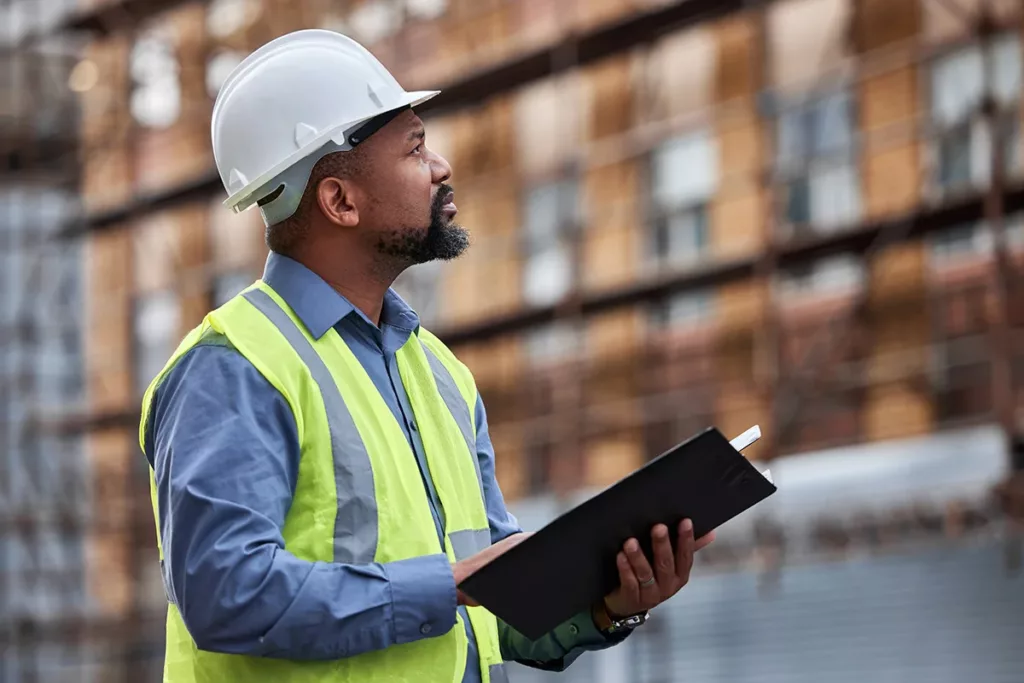
Successful coordination and communication are vital components in the favorable outcome of construction endeavors, as they ensure all parties are in agreement with the project's goals and timelines. A commercial general contractor plays a pivotal role in aiding this coordination by setting up defined communication channels among clients, architects, suppliers, and subcontractors. The contractor ensures that information regarding changes, project status, and potential problems are communicated efficiently and quickly.
Status reports and frequent meetings are crucial to this process of coordination, facilitating the swift settlement of disputes and the necessary alteration of schedules. The contractor's skill in promoting teamwork among different parties boosts the project's overall effectiveness and minimizes misunderstandings. Furthermore, utilizing project management technologies and tools can optimize the communication flow, guaranteeing everyone can view to the up-to-date information. Ultimately, effective coordination and communication lead to better project results and client contentment in the construction industry.
Managing Budgets and Overseeing Finances
Managing finances and budgets is crucial to the favorable realization of construction work, making certain resources are used effectively and expenses are managed. A commercial general contractor is key in this process by establishing precise budgets based on project scope and client expectations. The contractor tracks spending throughout the project lifecycle, noting discrepancies and making necessary adjustments to prevent cost overruns.
The contractor works closely with suppliers and subcontractors to bargain contract terms, ensuring competitive pricing while maintaining quality standards. Routine financial reports and projections enable stakeholders to be kept up-to-date and make informed decisions quickly. By enforcing rigorous financial measures, the contractor mitigates risks associated with unforeseen expenses, preserving the financial stability of the project. Ultimately, prudent fiscal management and oversight boost the likelihood of project success but also build confidence among stakeholders, ensuring projects are completed successfully.
Upholding Safety and Quality Requirements
Rigorous adherence to safety and quality requirements is vital in the building sector, where the stakes are high and there is little room for mistakes. Commercial builders are instrumental in implementing rigorous safety protocols and quality control procedures throughout the project lifecycle. They are responsible for adhering to local building codes, industry regulations, and best practices, which minimizes project risks and improves the reliability of the project.
To achieve this, contractors often conduct regular site inspections, check that safety procedures are followed, and offer continuous employee education. They also engage qualified subcontractors and suppliers who share a commitment to quality, ensuring that materials and workmanship meet established standards. Through cultivating a focus on safety and quality, commercial general contractors not only protect their workforce but also enhance the durability and longevity of the structures they build, which yields positive project results and client satisfaction.
FAQs
Which Credentials Should I Seek in a General Contractor?
When hiring a commercial builder, one should consider their licenses, insurance, experience, references, and project portfolio - Hickory top rated Commercial General Contractor. Furthermore, strong communication abilities and a demonstrated ability to manage time and financial constraints are essential for successful project delivery
How Do I Select the Right Contractor for My Project?
To select the right contractor, one should assess their background, verify past clients, look at previous work, confirm licenses and insurance, and ensure open lines of communication. A thorough interview process can help reveal if they are a good fit for the project.
What Issues Are Typical for Commercial Builders?
Commercial builders commonly encounter difficulties including managing subcontractors, labor shortages, budget limits, scheduling issues, and compliance requirements. Such problems may affect project quality, costs, and schedules if not effectively addressed throughout the process.
How Do Contractors Handle Unexpected Issues During Construction?
Contractors address unexpected issues during construction by rapidly assessing the problem, formulating alternative solutions, and keeping all parties informed. Hickory top rated Commercial General Contractor. Project members often rely on experience and teamwork to implement solutions, making sure there is minimal disruption to the project's budget and timeline
What Is the Typical Timeline for a Commercial Building Project?

The average schedule for a commercial building project spans a few months up to several years, contingent upon factors such as project scope, its complexity, the necessary permits, and the availability of labor and materials.